
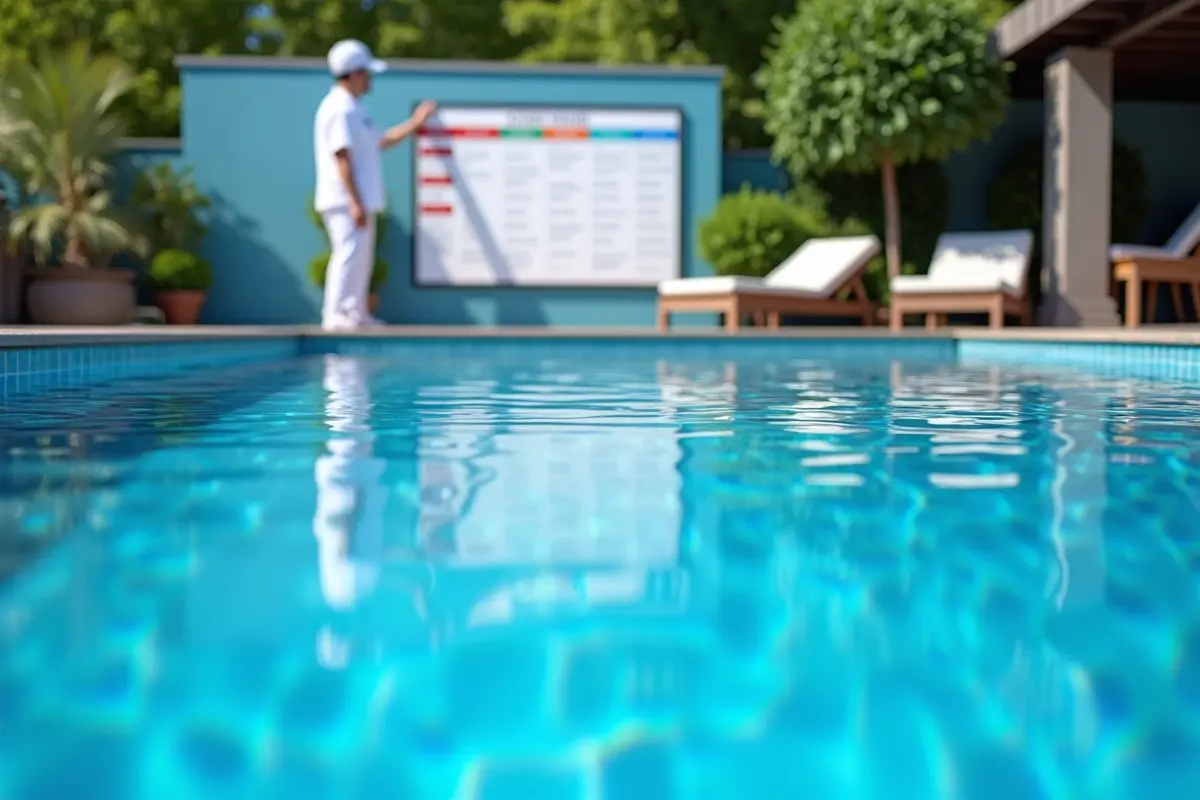
Pool maintenance looks easy until someone actually tries to keep a pool clean for an entire year. Most people start out thinking they’ll just skim some leaves and add chlorine when needed, but that approach falls apart pretty quickly.
The truth is, maintaining a pool properly means understanding that what works in blazing summer heat won’t work during winter months. And what seems manageable when someone first gets enthusiastic about pool care often becomes a real headache without the right approach.
Getting Started Without Overwhelming Yourself
The biggest mistake new pool owners make is trying to do everything perfectly from day one. That’s a recipe for burnout. Smart pool care is about figuring out what actually needs attention daily versus what can wait for weekly or monthly maintenance.
Daily stuff should be quick and simple – check the skimmer basket, pull out any obvious junk floating around, make sure the pump is running properly. These tasks take maybe five minutes but stop small problems from turning into expensive disasters.
Weekly tasks involve more serious work – thorough cleaning, testing water chemistry, adjusting chemicals based on what the test shows. Monthly tasks focus on equipment checks and the deeper cleaning that keeps everything running smoothly.
A lot of pool owners have found that connecting with professional pool maintenance Perth services or elsewhere, helped them figure out which jobs they can realistically handle themselves and which ones are worth paying someone else to do properly. This prevents both neglecting important maintenance and spending money on unnecessary work.
Summer: When Everything Happens at Once
Summer is when pools get hammered. Higher temperatures make chemical reactions happen faster, more people swimming means more contamination, and longer sunny days create perfect conditions for algae to take over.
During peak swimming season, water testing needs to happen at least twice a week. Chemical levels can change overnight when pools get heavy use. Chlorine disappears faster, pH gets thrown off by swimmers and chemical additions, and alkalinity needs constant monitoring to keep everything in balance.
Equipment works overtime too. Pool pumps run longer hours, filters get clogged with debris faster, and salt water chlorinators burn through salt at a much higher rate. This is when having a maintenance routine really saves money – catching equipment problems early instead of waiting for complete breakdowns.
The mistake a lot of people make is thinking summer maintenance just means dumping more chemicals in the water. But heavy usage, increased debris, and equipment stress mean the mechanical side needs more attention too. Pump baskets fill up constantly, filters need cleaning more often, and automatic pool cleaners work much harder.
Winter Changes the Game Completely
Winter pool maintenance throws people off because pools still need care even when nobody’s swimming. The good news is that maintenance requirements drop way down during cooler months, but they don’t disappear completely.
Cold water slows everything down – chemical reactions happen slower, which means chlorine lasts longer and pH stays more stable. Algae growth basically stops in cold weather, and reduced sunlight means less chemical breakdown from UV rays. Equipment can run fewer hours per day, saving energy and reducing wear on pumps and filters.
But equipment still needs regular attention during winter. Pumps can develop problems when they’re not running as much, and filters still need cleaning even when there’s less debris. Some pool owners completely ignore their pools during winter, which creates nasty surprises when warm weather comes back.
Winter is actually perfect timing for equipment maintenance and upgrades. Pumps can get serviced, filters can be thoroughly cleaned or replaced, and any repairs can be done without ruining swimming plans.
Monthly Deep Dives Into Pool Health
Monthly maintenance covers the stuff that isn’t urgent but becomes a real problem if it gets ignored. Equipment inspection catches developing issues before they turn into expensive repair calls. Filter cleaning or replacement keeps water circulation working properly. Pool surface cleaning prevents stains and surface damage that’s hard to fix later.
This is when water chemistry gets a complete checkup too. Monthly testing should include the stuff that doesn’t need weekly attention but affects long-term pool health – calcium hardness, total dissolved solids, cyanuric acid levels. These build up slowly but can cause major headaches if they get out of control.
Equipment performance gets reviewed monthly as well. Are pump pressures running normal? Is the automatic cleaner actually covering the whole pool? Are chlorinator cells producing the right amount of chlorine? Monthly checks catch efficiency problems before they become obvious.
When Seasons Change: The Tricky Times
The periods between seasons require extra attention because the pool needs to shift rapidly. Spring preparation means bringing equipment back to full operation, fixing any winter damage, and getting water chemistry balanced for increased usage.
Fall preparation focuses on scaling back maintenance while keeping the pool healthy through winter. Chemical levels get adjusted for cooler temperatures, equipment run times get reduced, and debris management becomes crucial as trees start dropping leaves everywhere.
These transition periods are when professional services often provide the most value. They understand local weather patterns and can adjust pool systems for changing conditions better than most pool owners can figure out on their own.
What Actually Works Over Time
The maintenance routines that work year-round are realistic about how much time and skill most people actually have. They focus on preventing expensive problems rather than trying to achieve perfection. And they adapt to seasonal changes instead of fighting against them.
Successful pool owners understand that some maintenance tasks are worth paying professionals to handle, while others make sense to do themselves. Equipment repairs, major chemical corrections, and seasonal adjustments often justify the cost of professional service. Daily skimming, weekly testing, and routine cleaning are usually manageable for most people.
The key is having a plan that matches how the pool actually gets used, local weather conditions, and realistic expectations about time and effort. Pools that stay clean and functional year-round aren’t getting more maintenance – they’re getting smarter maintenance focused on what actually matters.


Leave a Reply
You must be logged in to post a comment.