
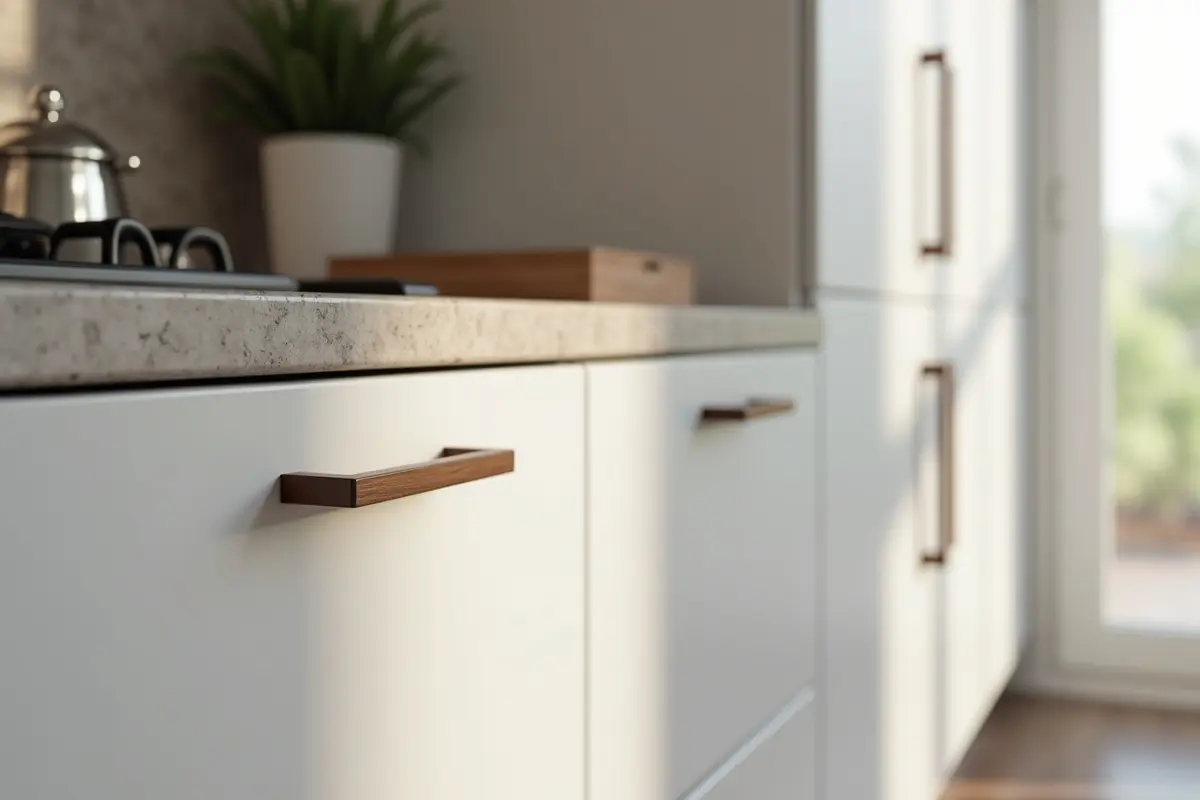
When most people consider a new kitchen renovation, they focus on the big stuff (counters, appliances, cabinet colors) and leave the hardware until the end, deeming it unnecessary so long as it matches everything else.
However, what’s rarely considered is that the cabinetry handles are one of few items touched by homeowners dozens of times each day. They’re not just functional attributes but tactile experiences connecting people to the space.
It’s All About the Touch
Consider how often one reaches into a cabinet or drawer throughout a typical day. Coffee in the morning. Lunch. Dinner. An after-dinner cleanup. A late-night snack. The average person probably touches a cabinet at least 50-100 times per day, maybe more for busy households. The weight of a handle, how it settles in the palm, the difference between substantial and flimsy, all these factors are subconsciously registered each time.
Cheap hardware feels cheap, and there’s no other way to say it. Lightweights that flex ever so slightly, finishes that wear down in months, edges that catch fabric or skin. Annoyances compile over years. Quality hardware has substance. It feels heavy in the palm and provides feedback to its grip. Thus, it offers an intentional atmosphere where people appreciate their surroundings.
It’s All About Proportions
Cabinet hardware is like jewelry for a kitchen; yet it must be proportional. Oversized handles on small shaker cabinets read as clunky. Tiny pulls on giant drawer faces are invisible. The size of the cabinet hardware must match both the cabinets and the size of the entire room.
Even cooler is that hardware can transform the way cabinetry looks by proportions. Horizontal handles make cabinets look wider. Vertical pulls draw the eyes upwards and make spaces feel taller. This is not by accident. Designers apply it intentionally when rooms feel out of proportion. For example, Manovella cabinet handles come with different profiles applied to them for specific reasons. Understanding how these adjustments impact perceived space helps rooms feel more even if nobody understands why.
It’s All About the Finish
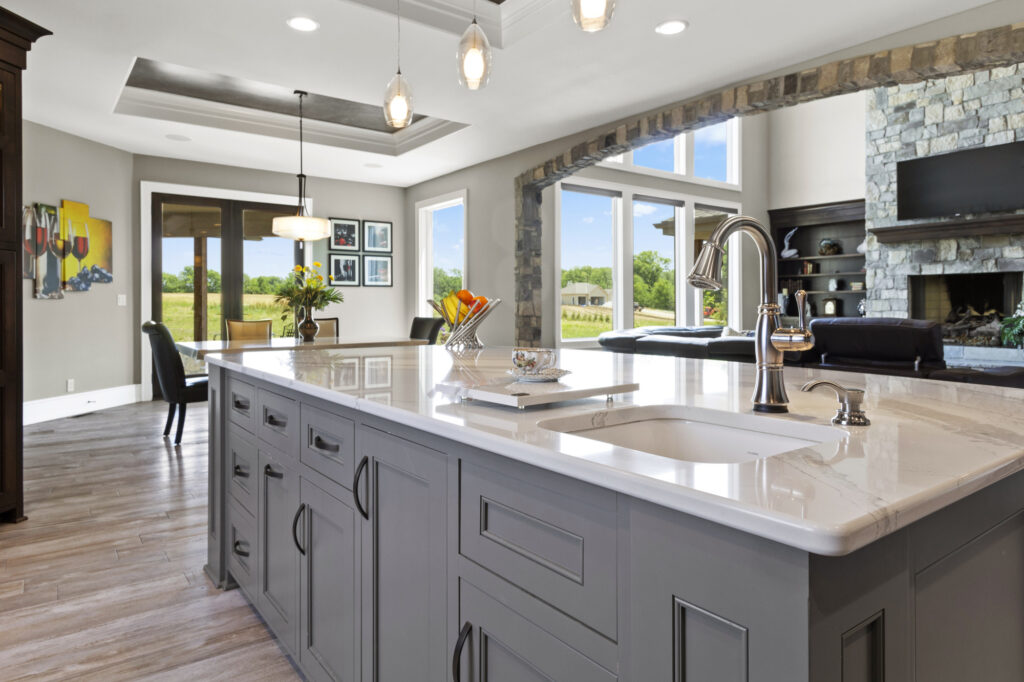
The metal finish of hardware seems like a small detail, but it affects how an entire room reads. Polished chrome gives off a very clean approach; it works in modern spaces. A brushed brass provides warmth; it works in transitional spaces well. Matte black boasts drama and strong contrast.
The issue is that finishes have to be harmonious with faucets, light fixtures, and other appliances. They don’t necessarily have to match, but that kind of look can come off as too strict, but they at least have to be coordinated in a way that seems intentional.
This is why mixing metals has become popular; it’s more interesting and complex than a two-note feel and prevents a space from being too one-note. However, mixing metals takes practice, too many different finishes create confusion, picking a maximum of two, maybe three throughout the kitchen allows diversity without sacrificing cohesion.
Durability is More Critical Than You Think
Most cabinet hardware comes with a coat or solid metal substance. Coated pieces are less expensive; however, eventually, all finishes wear off, especially where the hand rests, as hand oil eventually eats through the protective barrier. Solid metals like brass, stainless steel, bronze boast patina over time, but not through other materials.
So, essentially, in two years’ time, it’s clear what is budgeted hardware and what isn’t. Cheap options look cheap and tired after two years as they’re meant for budget renovations anyway. Quality options look aged unless they have too many dings, rust, corrosion or oil changes from hardware rest stops (for what’s touched so often, it makes no sense to get one option and hope it’s the right one forever).
Style Isn’t As Timely as You Think
Who’s ever watched their friend renovate and think to themselves: wow! That hardware choice was so trendy in 2007. Remember when cup pulls and glass knobs were everywhere? What about farmhouse favorites with top-mounted hardware? None of these lasted beyond a few years but immediately pegged spaces in certain time frames.
Classic profiles, bar pulls, cup handles, knobs with muted details, transcend time because they’re not trying to say anything specific about design; they’re profiles that work across decades, allowing the kitchen to change in vibe through paint color and backsplash updates and decor without hardware looking out of place.
Reality Check of Renovation
Replacing cabinet hardware is one of the easiest parts of a kitchen renovation. It’s literally a screwdriver (and about an hour’s worth of work). However, it’s almost too easy as if people think they’ll install something cheap now and eventually replace it better; then later down the line comes sooner than expected when people forget about installing quality pieces; or worse; they find there’s no longer any match because pulls are discontinued.
Getting it right the first time eliminates that decision-making point down the line (which is really unnecessary because compared to everything else); it’s not even that big a financial investment upfront. Quality pieces that fit and are placed well do not need to be replaced unless an entire gut renovation occurs. Thus, spending this little upfront, saves time down the line for ultimate satisfaction every single day.
Cabinet hardware is far more important than people consider; these little pieces make up how nice or cohesive or welcoming a kitchen is from across the room and how user-friendly it is from up close and personal. The weight of the hardware, finish option, longevity at ease all help determine if a kitchen feels rushed or intentionally designed within its aesthetic parameters over time.


Leave a Reply
You must be logged in to post a comment.