
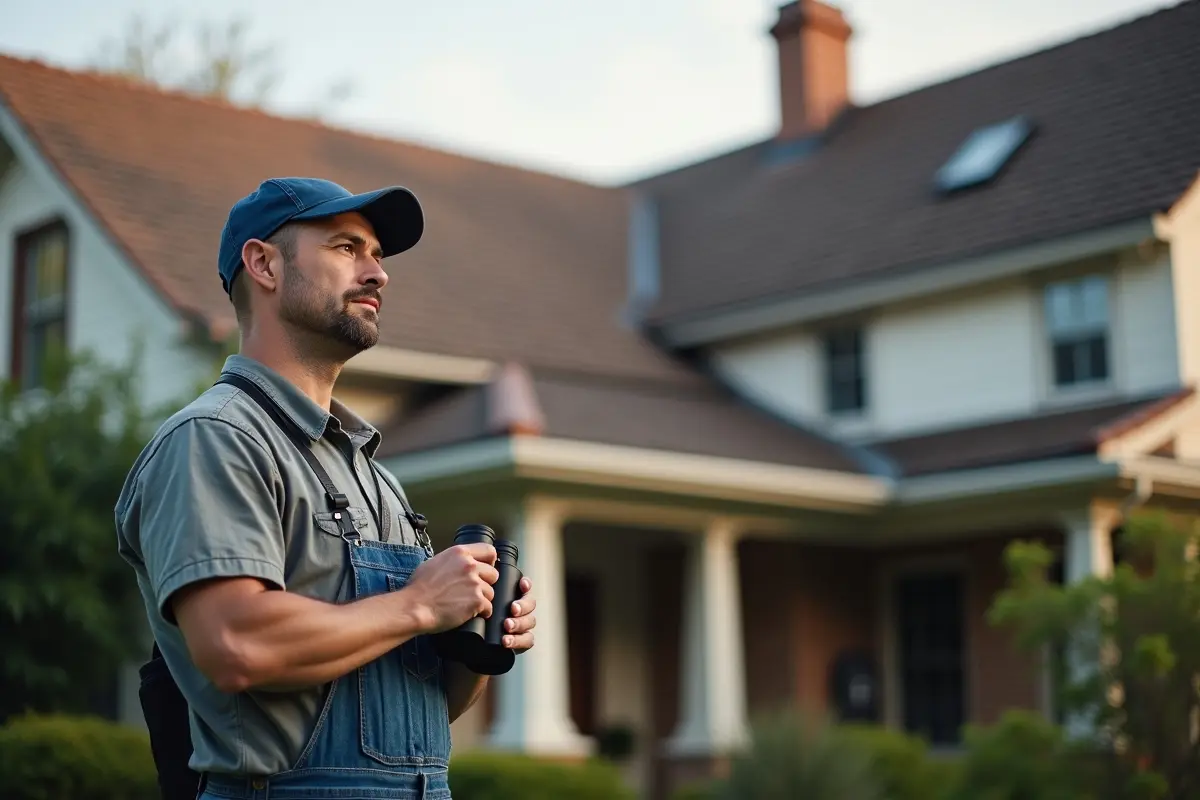
Many homeowners start planning renovations inside the house – a new kitchen, updated flooring, or perhaps a bathroom renovation. It may seem like the right thing to do, but it’s not the best strategy from a financial standpoint. If your roof is leaking, all that money spent on interior repairs and upgrades is wasted.
The roof is not just an item on your home maintenance list. It’s what separates your home from the elements and keeps everything inside safe, dry, and protected.
The Shield That Protects Every Other Investment
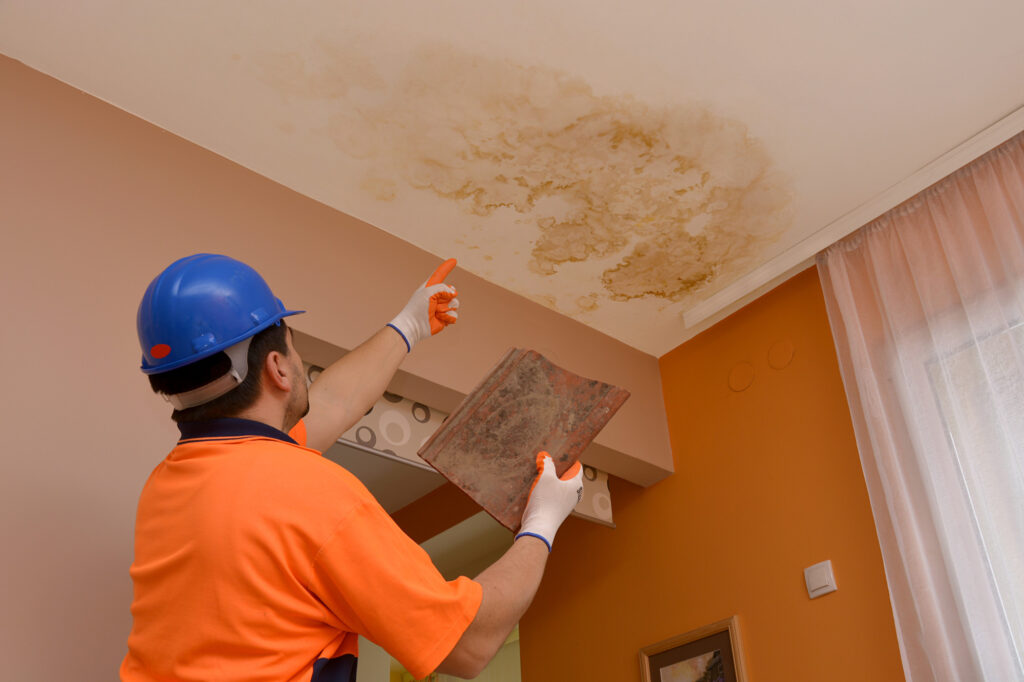
Just consider the series of destruction that happens after a roof collapse. Water enters a flashing joint or a portion of undermined underlayment. It gets stuck in the attic. Mold fills the insulation within weeks. The rafters start to rot within months. But the time it drips through the ceiling and manifests itself as a water stain, the construction damage is done.
The price of remediating mold alone can amount to thousands before even one rafter is reconstructed. That not only gobbles up your maintenance fund, but it puts you behind the game.
What’s the use of refinishing those hardwood floors or erecting that new drywall in a house where the thermal envelope is cracked? Water couldn’t care less about the kitchen.
Why Local Expertise Matters More Than You’d Think
Roofing is not simply roofing. The weather in a region, building codes, and common weaknesses all determine the needs of a roof to perform effectively over time. A contractor in a high-snow market will have different proposals than one in a hot, dry climate – and both will give much better advice than a national chain with no regional expertise.
This is where it is worth all the extra work to consult with people who understand your specific load patterns, freeze-thaw cycles, and common weak points. A team like Depalma Roofing & Construction – York, PA can detect structural damage early – before minor seepage turns into a major renovation that redesigns your overall project budget and timeline.
Catching problems at the flashing or underlayment stage is a mere fraction of the cost of fixing them after the moisture has infiltrated.
Energy Efficiency Starts At The Top
A roof is not just to prevent the rain from coming in. It is an essential element in managing how heat and cold are retained in your home, and this is something that most homeowners tend to overlook in terms of its impact on monthly living costs.
Today’s roofing systems, especially those made with reflective shingles meeting Energy Star requirements, can reduce the amount of heat your home absorbs during the summer. This reduces cooling costs since the shingles reflect the solar energy rather than absorbing it. Additionally, when combined with proper ridge ventilation, you will also reduce the strain on your HVAC system throughout the year.
Moreover, poor ventilation in the attic is one of the main causes of ice dams in colder regions. Heat escapes through inadequately insulated roofing and melts the snow, which then refreezes at the eaves. The ice pushes back shingles which leads to water infiltration in the wall as a result of ice build-up. This is a structural problem that has its origin at the top of the building and causes water damage in the walls.
If you upgrade your roof to improve ventilation and increase the R-value in the attic’s insulation, you will save on energy costs. This is a type of return on investment that you will get to enjoy even before you sell your property.
What A Bad Roof Does To A Home Sale
A poorly maintained roof doesn’t simply make a home harder to sell – it can make it nearly impossible. Roof conditions are something home inspectors specifically identify as one of the primary sources of risk in their reports, and buyers or their lenders will frequently demand that a roof issue be addressed prior closing.
You can have a gorgeous, brand-new interior and still have the sale fall through because the description of your roof on the disclosure says “22 years old, granule loss, failing flashings.” Nothing in an open concept floor plan or dazzling kitchen takes care of that line item on the inspection report.
A new roof is the outside job with the highest return on investment in the National Association of Realtors 2022 Remodeling Impact Report – with an average of 100% of the project cost recovered at the time sale. That makes it a better investment than nearly every interior remodel people tend to think of as a “high-value project.”
Roofing with architectural shingles or real metal also carries some of the highest “joy scores” in the same report since homeowners are incredibly satisfied with their decision to re-roof after the job is completed. It may not be appealing, but the financial case for a new roof is hard to counter.
Prioritize Protection Before Aesthetics
We have a limited amount of money to improve our homes. The question is not whether to spend money on your home, it’s whether to spend it in an order that protects your investment OR one that ignores the most likely thing to destroy all of it to begin with.
A kitchen remodel in a house with a failing roof is a bet you hope nothing goes wrong before you sell. That’s not a plan. Starting with the roof means every other improvement you make is actually protected. That’s the difference between renovating a home and genuinely building equity in one.



Leave a Reply
You must be logged in to post a comment.