
Heating water consumes almost 18% of a typical home’s energy every year (U.S. Department of Energy). For years, many homeowners have reached for a bigger hammer to reduce those costs. They tear out perfectly good fixtures and replace them with low-flow shower heads or high-efficiency appliances, convinced that newer must be better. Most of the time, however, the best deal is barely visible at all: it’s in making sure the water heater you already own is operating at peak efficiency. New technology and energy sources can sometimes slash water heating costs, but no half-length shower is going to fix a water heater full of sediment.
Why water heating deserves your attention first
Most people think that their space heating and cooling are the biggest energy consumers. While this is true for a lot of North America, heating water is running pretty close behind – and it’s a lot easier to reduce! Your home’s furnace or AC only runs half the year in many places, but your water heater is doing an equal amount of work every day, year-round. This constant operation can eat into your savings quickly if the system isn’t running optimally.
For a storage tank water heater, the main source of inefficiency is standby heat loss – the energy used to keep a tank of water hot around the clock, even when the house is empty and everyone’s asleep. Tankless units don’t have this problem since they only heat water as you need it, but they come with their own issues that can reduce their efficiency if they aren’t properly maintained. In both cases, you’ve got a background system humming away and eating into your pocketbook every month, and it’s time to figure out how to stop it.
Sediment is the silent efficiency killer
If you have a storage tank, sediment buildup is likely your biggest hidden cost. Minerals in the water settle at the bottom of the tank over time and create an insulation-like layer between the burner or heating element and the water. The unit has to run longer to reach the same temperature, burning more gas or electricity.
In hard-water areas, this can occur within a year. Besides that, a tank struggling to transfer its heat can lead to increased stress on the heating element and premature failure.
An annual tank flush can be enough to restore most of the lost efficiency. It’s a simple procedure and isn’t expensive or particularly time-consuming. The biggest issue is getting people to remember to schedule it. A lot of homeowners won’t have their tank flushed for several years, as long as the water heater keeps putting out plenty of hot water.
The thermostat setting almost nobody adjusts
Most water heaters are set to 140°F when they ship. This is hotter than necessary for most homes. Lowering the thermostat to 120°F saves 6-10% on water heating costs and has two benefits that are often overlooked: 1) it significantly reduces scalding risk for children and seniors, and 2) it slows mineral buildup and corrosion of the tank.
There’s a persistent rumor that turning up the temperature will make your water significantly safer by killing more bacteria. In truth, 120°F is already well above the temperature where most pathogens (including legionella) thrive in a household water heater. The relatively small safety gain of running hotter is vastly outweighed by the cost and scald risk. This is a trivially easy adjustment to save you a little money every month for the next 15 years.
Leaks waste water and the energy you spent heating it
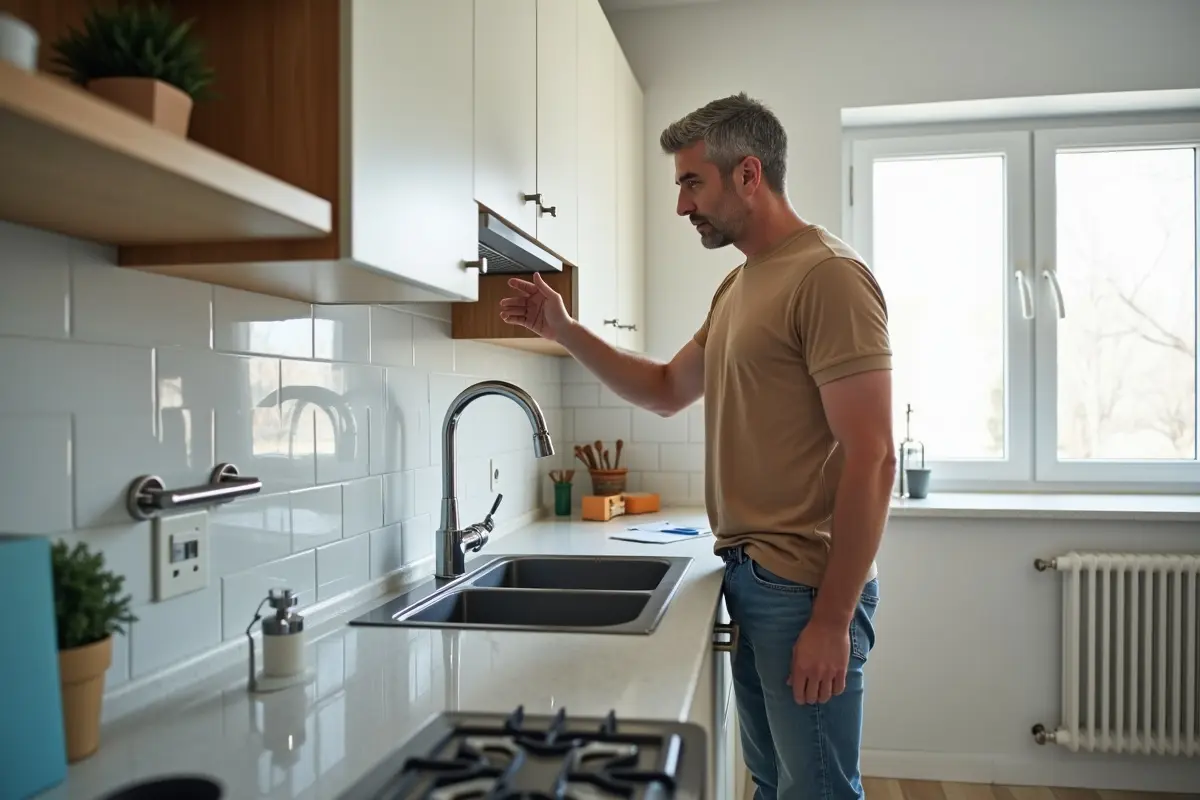
A tap that drips not only wastes water but if it’s the hot water tap that’s leaking, it’s wasting the energy you’ve used to heat that water. Most households lose almost 10,000 gallons a year to leaks that go unfixed – a running toilet, a slow drip under the sink, a worn washer on an outdoor tap. They’re all easy to ignore leaks because they never make a mess and therefore never appear urgent, so they go months or years without repair.
But fixing leaks is just about the cheapest, easiest way to add some efficiency to your home that there is. No product to buy, no professional visit in most cases, just a wrench and twenty minutes. If you’ve noticed your water bill creeping up and can’t figure out why, checking for leaks should be your first step, not assuming your rates just went up or your kids are taking longer showers.
Low-flow fixtures cut demand without anyone noticing
Replacing regular showerheads and faucet aerators with low-flow models is one of the only upgrades in this space that truly lives up to its billing though. Low-flow showerheads do this in a couple of ways. Either they aerate the stream, adding air to compensate for the reduced flow, or they use pulsing to create the sensation of increased pressure. Both options work surprisingly well. They save both water and the energy required to heat it if you have a gas or electric hot water heater. New low-flow faucets use a similar aeration approach.
Pipe and tank insulation reduce heat loss you’re not thinking about
When hot water leaves the heater – whether you have a tank-type or tankless model – it starts cooling the minute it’s off the burner or element, and the cooler the air around it, the faster that cooling occurs. Your incoming cold water may also be especially cold if you live in the northern parts of the country, or this time of year. Wrapping the pipes and possibly the tank keeps that heat from dissipating and cools the incoming warm water less – so the water at the tap gets hotter faster and with less energy.
It’s probably also true that hot water won’t cool from the pipes in your conditioned space any faster than if they were insulated. So, the tankless vs. tank argument gets a bit closer when insulated pipes are included in the tankless column. But in almost every study, especially those looking at cold water months of the year, the tankless model still comes out on top.
Professional maintenance is the highest-ROI move available
Most efficiency guides skip this part: it doesn’t matter how good the unit is if the underlying structure isn’t up to scratch. A top-of-the-line, super-high-efficiency system left to its own devices will gradually perform worse than a standard model that’s been getting regular annual check-ups by a professional technician. The rating on the box only tells you the potential efficiency of the unit when it’s running in peak condition.
Professional servicing from a hot water specialist usually takes care of three main areas. The first is flushing the tank. Hot water systems heat water, and as water heats it pushes minerals out of solution where they solidify and sink to the bottom of the tank and elements. If you’ve ever heard the popping and cracking sounds coming from your hot water system, that’s your heater turning on only to start boiling these rocks instead of water. A thorough flush every year keeps them to a minimum.
The second is inspecting the anode rod and tank for corrosion. The anode rod is a piece of metal that slowly corrodes instead of the walls of the unit, protecting it from rusting out too soon. This is a consumable item by design, as it’s cheaper to replace an anode rod than an entire water heater. Correctly gauging when the rod is reaching the end of its life and replacing it in time can add several years to the life of the system. The last thing checked each visit is the pressure relief valve. This is where scheduled hot water system maintenance Sydney earns its keep – a technician catches the early warning signs well before they turn into a failed unit and an emergency callout.
Tankless systems need different care, not less care
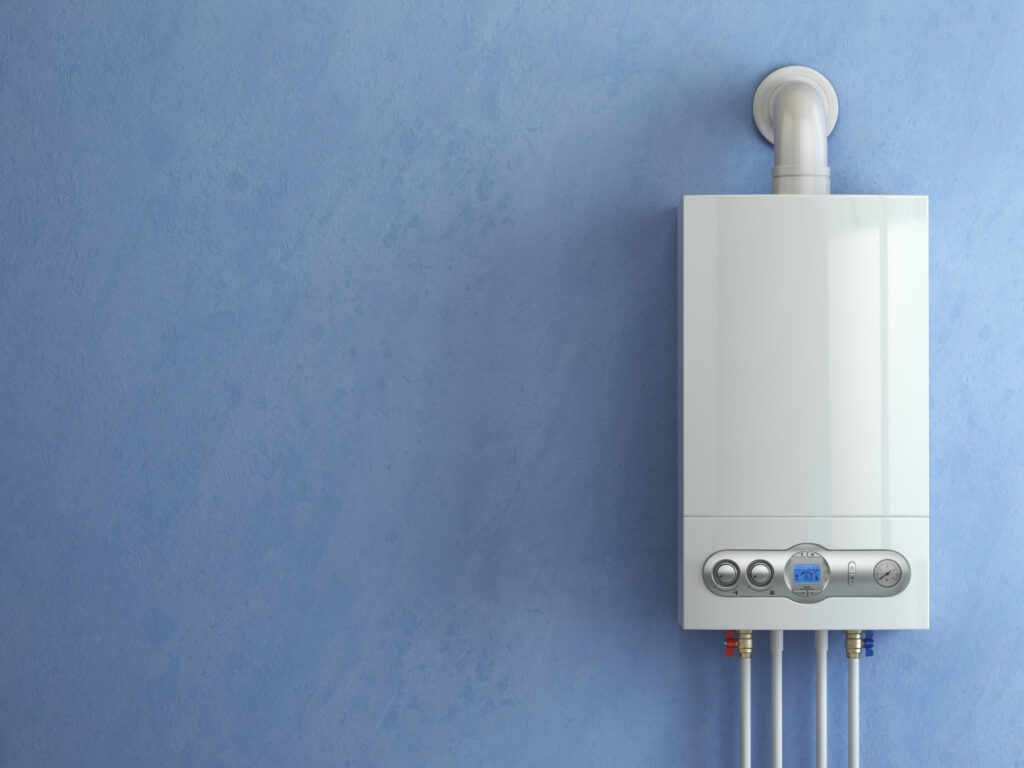
If you have a tankless unit, don’t think you are safe from all upkeep! As we mentioned, tankless heaters do not suffer from standby heat loss. But the mineral scale can still build up inside the heat exchanger if you have a tankless unit, and you will have to deal with this especially if you live in a hard-water area. If you let the scale gradually block up the interior passages of the heat exchanger, the unit needs to work a lot harder – and less efficiently – to heat the water to the desired temperature. Thus, all that efficiency you gained by choosing tankless is lost right down the drain.
Luckily, this is an upkeep issue that is easily solved by regular descaling, which is usually a matter of flushing a vinegar solution or proprietary descaling product through the unit. How often you’ll need to do this depends on the hardness of your water: For some households, it’s an annual requirement, while for others, it may be every few years. Skip this maintenance step often enough, however, and you’ll kiss that improved tankless performance goodbye for good.
Water pressure is a hidden cost multiplier
Excessive water pressure – anything above 60-80 psi – leads to more issues than a forceful shower. Water is wasted with every single use because more water is pushed through the fixture per minute than needed. On top of that, unnecessary strain is placed on plumbing joints, valves, and the water heater, causing premature failure of all components downstream. A pressure regulator on the main line will reduce incoming pressure to a safe and efficient range. The upfront cost is minimal, and the investment will pay off in reduced water usage and far fewer plumbing repairs.
Maintenance beats upgrades for most households
This is not meant to say that new fixtures or a better unit are bad things to spend money on. They’re just the wrong starting place for most families. And the mistake with the big ticket replacements is that the small, zero cost maintenance steps have to come first. A well-maintained standard water heater with the thermostat set to 120°F and the tank flushed regularly will outperform a neglected high-efficiency unit. It won’t last as long, but it costs a tenth as much to maintain.

Leave a Reply
You must be logged in to post a comment.