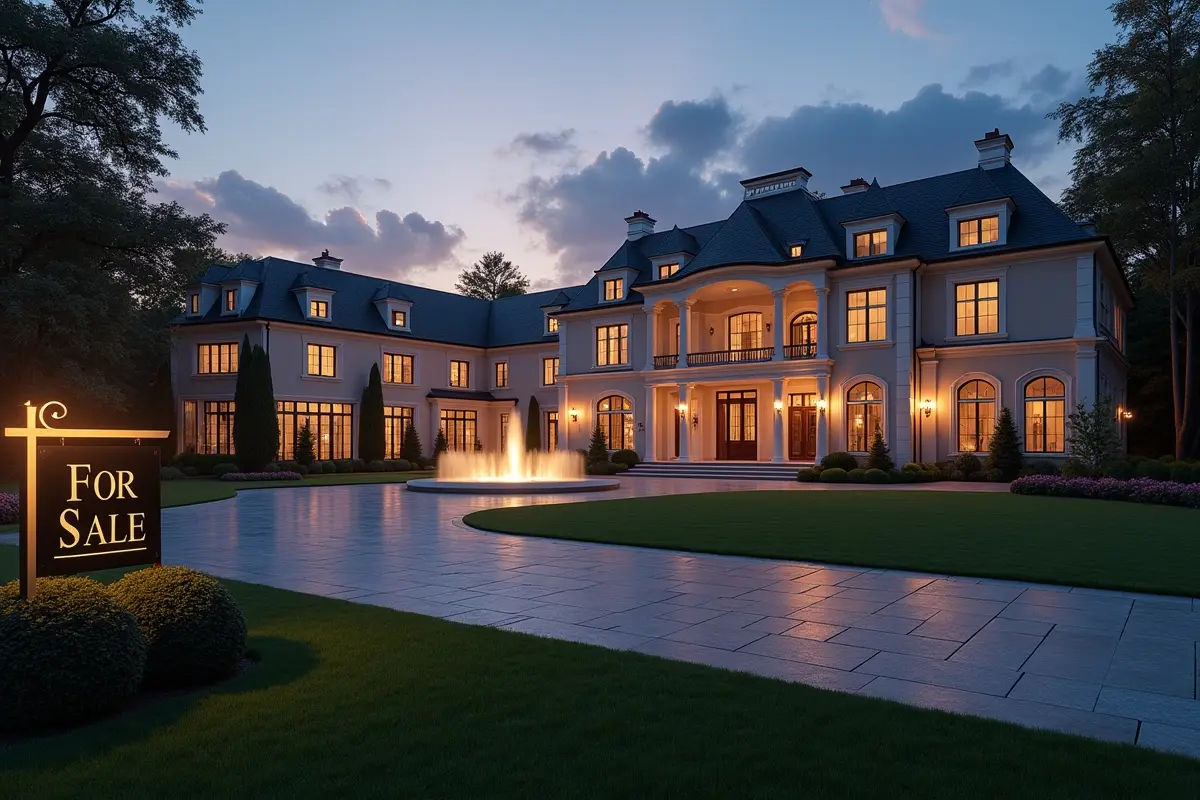
The Luxury Homebuyer’s Checklist: Privacy, Architecture, and Long-Term Value
Luxury real estate is more than an impressive address, premium finishes, or a dramatic first showing. It is a lifestyle purchase with lasting financial consequences, and the best homes tend to pair beauty with practical strengths that are difficult to recreate. Buyers should look beyond square footage to the site’s quality, the home’s systems, privacy, operating costs, and the home’s future resale audience.
For buyers evaluating Los Angeles-area property, the Tracy Tutor Team offers a useful example of why local knowledge matters. This California and Texas luxury real estate team serves high-end buyers and sellers from its Beverly Hills office, with experience in markets including Beverly Hills, West Hollywood, Hollywood Hills, and Malibu. A Beverly Hills luxury real estate agent with experience in architectural residences, estate transactions, and relocation can help a buyer distinguish a compelling listing from a property that truly supports long-term goals.
Why Luxury Buyers Need a Wider Checklist
A polished listing is only the starting point. High-value homes may include large grounds, private roads, pools, elevators, smart-home equipment, guest houses, historic features, or custom construction, which may require more scrutiny than a standard residence. Visible luxury can be replaced. A protected view, a quiet street, sound drainage, an exceptional lot, and reliable construction are much harder to duplicate.
For example, a buyer may choose a smaller home on a private, usable parcel over a larger house with exposed sightlines, steep terrain, and expensive deferred maintenance. The first property may offer a better daily experience and a broader resale audience, even if it has fewer rooms.
Step One: Define the Lifestyle Before the Property
Before touring, identify how the home will function. Is it a primary residence, second home, multigenerational property, or investment? Consider the need for offices, guest suites, staff space, wellness areas, storage, entertaining zones, and secure parking. Also, decide which location factors are nonnegotiable: walkability, school access, cultural amenities, airport proximity, beach access, views, or seclusion. Your expected ownership period matters, too. A highly tailored home can work beautifully for a long-term owner but be harder to resell quickly.
Step Two: Judge the Site, Not Just the House
Land is often the irreplaceable part of the purchase. Study whether the advertised lot size is truly usable, where the home sits on the parcel, and how the property feels at different times of day. Review:
- Street position, driveway access, guest parking, and emergency access.
- Slope, retaining walls, drainage routes, and hillside conditions.
- Sightlines from neighboring homes, public roads, and nearby buildings.
- Noise from traffic, aircraft, venues, schools, construction, or businesses.
- Whether views, light, or privacy could change because of future development.
Step Three: Review Architecture and Construction Quality
Separate real architectural value from expensive decoration. Ask who designed and built the home, whether original plans and renovation records are available, and whether design claims can be documented. Then focus on the components that affect reliability: roof, windows, foundation, plumbing, electrical, HVAC, waterproofing, and major appliances. Confirm which renovations were permitted and completed to code. A new kitchen is attractive, but a recently replaced roof, upgraded electrical panel, and properly engineered retaining wall may matter more.
Step Four: Calculate the Full Cost of Ownership
The purchase price is only one part of the commitment. Build a realistic annual budget that includes property taxes, insurance, utilities, landscaping, pool care, security monitoring, housekeeping, property management, HOA dues, and private-road assessments. Request service histories for generators, elevators, gates, irrigation, solar equipment, water-treatment systems, and specialty HVAC. Buyers in hazard-prone locations should also assess evacuation access and preparedness resources through Ready.gov before closing.
Step Five: Complete Deeper Due Diligence
Use the contingency period to examine title, liens, easements, boundary information, permits, certificates of occupancy, disclosures, and zoning rules. Order general and specialty inspections when appropriate, including roof, foundation, sewer, pool, chimney, environmental, pest, and structural reviews. Confirm whether additions, guest houses, decks, and outdoor structures were approved. Ask for warranties and maintenance records for custom equipment, and investigate flood, wildfire, seismic, coastal, or hillside exposure that may affect insurance or future improvements.
Step Six: Compare Location-Specific Market Value
Luxury does not have one national price point. A seven-figure home can be exceptional in one city and ordinary in another, so compare properties by neighborhood, lot type, condition, architecture, privacy, amenities, and time on market. Recent luxury market research reinforces that premium housing is defined by local price tiers and scarcity, not simply by a round dollar figure. Focus on the closest true comparables, not the most convenient ones.
Privacy, Security, and Long-Term Appeal
Privacy should improve livability, not create inconvenience. Review gates, cameras, lighting, delivery access, guest circulation, and visibility from public areas. At the same time, test whether the home still receives natural light, supports easy movement, and offers an enjoyable outdoor space. For resale, look for flexible floor plans, durable materials, timeless finishes, manageable upkeep, and rare features that future buyers will also value. Highly personalized spaces can be memorable, but they may narrow the buyer pool.
Build the Right Buying Team
A strong team may include a locally experienced real estate professional, lender, or wealth adviser, a real estate attorney, a tax or estate-planning adviser, an insurance broker, an inspector, and specialty consultants such as an architect, contractor, or engineer. Their job is not to create unnecessary obstacles. It is to identify costs, risks, and opportunities before those issues become the buyer’s responsibility.
Questions to Ask Before Making an Offer
- Which recent sales most closely match this home, and why?
- What major systems or capital projects could require spending soon?
- Are there permits, easements, restrictions, disputes, or insurance concerns?
- What would make the property harder to resell?
- Which offer terms matter beyond the headline price?
Final Checklist Before Closing
Confirm financing or proof of funds, complete inspections, review written reports, verify insurance terms, and examine title, disclosures, permits, and included fixtures. Recheck repair agreements during the final walk-through. Keep legal, tax, and estate-planning decisions in the hands of qualified professionals. A luxury home should earn its price through its site, construction, privacy, usefulness, and enduring appeal, not simply its presentation.