Whole-House Generator vs Portable: Which Makes Sense
A power outage changes from inconvenient to serious when it affects heat, medical equipment, refrigeration, sump pumps, or remote work. The right backup power choice depends less on “bigger is better” and more on load size, fuel access, outage length, and how safely you can connect equipment.
The decision between a whole-house generator vs portable setup usually comes down to automation, capacity, and installation requirements. One is built into the home’s electrical system. The other is moved, fueled, and connected only when needed.
How the two systems work
A whole-house generator, often called a standby generator, is permanently installed outside the home. It connects to an automatic transfer switch. When utility power fails, the switch isolates the house from the grid and starts the generator within seconds. Most units run on natural gas or propane.
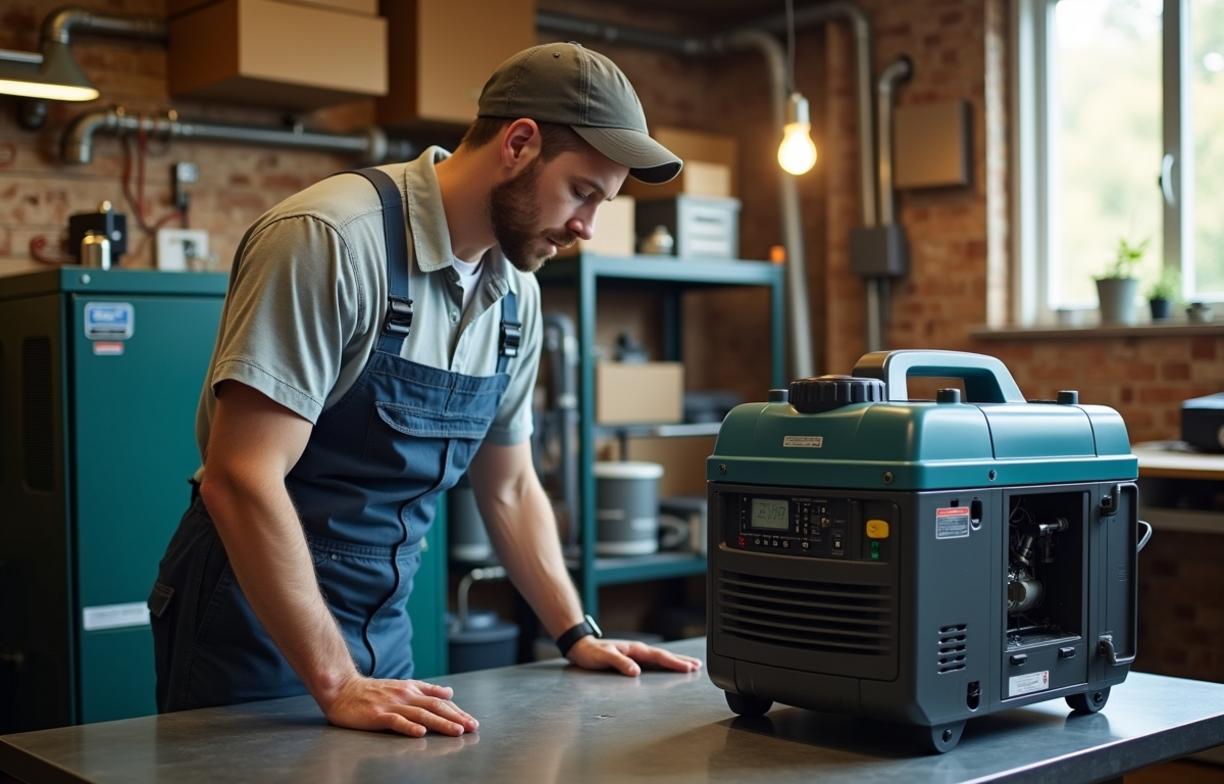
Portable generators are temporary machines. You roll them outside, fuel them, start them manually, and connect appliances with extension cords or a transfer switch. Gasoline models are common, though propane and dual-fuel models are also available. They must never run in a garage, shed, porch, crawlspace, or near open windows.
The National Fire Protection Association’s NFPA 70, also called the National Electrical Code, requires safe transfer equipment when a generator connects to home wiring. This prevents “backfeeding,” which can energize utility lines and endanger lineworkers. A listed transfer switch or interlock is not optional when feeding circuits through a panel.
Power needs: what each option can realistically run
Generator size is measured in watts or kilowatts. A portable generator may handle a refrigerator, lights, internet gear, a microwave, and a few outlets. It may struggle with central air conditioning, electric heat, well pumps, or multiple large startup loads. Motors often need two to three times their running wattage for a few seconds.
A whole-house unit is sized around essential circuits or the entire service load. Many homes use standby generators in the 14 kW to 26 kW range. That can support larger loads such as HVAC, a well pump, kitchen circuits, and lighting, if the system is sized correctly. Load-shedding modules can pause nonessential equipment when demand spikes.
Typical load examples
The U.S. Department of Energy notes that heating, cooling, refrigeration, and water heating are major home energy uses. During an outage, those same systems often drive generator sizing. A refrigerator may run around 100 to 800 watts, but a central air conditioner can require several thousand watts while running.
| Need during outage | Portable generator | Whole-house generator |
|---|---|---|
| Refrigerator and freezer | Usually yes | Yes |
| Phone charging and Wi-Fi | Yes | Yes |
| Furnace blower | Often yes with proper connection | Yes |
| Sump pump | Often yes, but startup load matters | Yes |
| Central AC | Usually limited | Often yes if sized |
| Electric range or dryer | Usually no | Sometimes, if sized |
| Whole home automatically | No | Yes |
If you have a well pump, check horsepower and voltage before choosing. A 240-volt pump cannot run from a small 120-volt-only generator. A hardwired furnace also needs a safe transfer method, not a cord running into the air handler cabinet.
Safety, codes, and placement
Carbon monoxide is the biggest portable generator hazard. The Consumer Product Safety Commission warns that generators can produce deadly carbon monoxide within minutes. Operate a portable unit at least 20 feet from the house, with exhaust pointed away from doors, windows, and vents. Battery-powered CO alarms should be installed on every sleeping level.
Standby units also produce exhaust, but they are fixed in a code-compliant location. Installers consider clearances from windows, doors, meters, vents, and property lines. Local rules may follow manufacturer instructions plus NFPA 37, which covers stationary combustion engines and gas turbines. Your utility may also require gas meter verification.
Noise is another practical issue. Many portable generators run around 70 to 80 decibels at close range. Inverter-style portables are often quieter under light load. Standby generators are typically quieter at the property line, but placement near bedrooms or neighbors still matters.
Fuel storage changes the risk profile. Gasoline has a limited storage life and should be stabilized if kept more than a few months. Propane stores longer, but tank size limits runtime. Natural gas avoids refueling, though service can be interrupted after earthquakes, flooding, or utility shutoffs.
Cost, installation, and maintenance
Portable generators have the lower entry price. A capable home emergency model commonly falls between $700 and $2,500, depending on wattage, inverter design, fuel type, and 240-volt capability. Add weather protection, heavy-gauge cords, a transfer switch, and fuel cans if you plan to run hardwired equipment.
Standby generators cost more because they require permanent electrical and fuel work. Installation includes a concrete or composite pad, transfer switch, permits, gas piping, wiring, startup testing, and sometimes a gas meter upgrade. The equipment is only one part of the project.
Maintenance differences
Portable generators need hands-on maintenance. That includes oil changes, fuel draining or stabilization, spark plug inspection, and test runs. Many small engines need the first oil change after five to 30 hours, then regular service based on the manual. Old gasoline is a common cause of failure during the first outage of the season.
Whole-house systems also need service. They run automatic exercise cycles, often weekly or biweekly. Maintenance usually includes oil, filters, battery checks, firmware checks, and inspection of fuel and electrical connections. Batteries are a frequent failure point after several years.
Runtime depends on fuel and load. A portable gasoline generator may run eight to 14 hours on a tank at partial load. A propane standby unit depends on tank size. A natural gas standby unit can run as long as gas service and mechanical condition allow.
Which option fits which situation
Choose a portable generator if outages are short, predictable, and infrequent. It makes sense when you only need essentials, such as refrigeration, lights, device charging, a furnace blower, or a sump pump. It also fits renters or homeowners who cannot install permanent equipment. You need safe outdoor placement, stored fuel, and the ability to start and connect it during bad weather.
Choose a whole-house generator if outages last more than a day, happen several times a year, or affect critical systems. It fits homes with medical devices, remote work needs, sump-dependent basements, security systems, well water, or residents who cannot move equipment. It is also the better choice when you want automatic operation while traveling.
Clear decision conditions
A portable setup is reasonable if your essential load is under 7,500 running watts. It works best if you can tolerate manual startup and limited circuits. It is also practical if you can store fuel safely away from living areas. You should still use a transfer switch for any hardwired loads.
A standby generator is the stronger match if you need central HVAC, well water, or automatic transfer. It also fits homes where food loss, frozen pipes, or basement flooding would create major damage. If you live in an area with multi-day outages from hurricanes, wildfire shutoffs, ice storms, or rural feeder failures, automation becomes more valuable.
The Federal Emergency Management Agency recommends planning for outages before disasters occur, including power, heat, food, water, and medical needs. That advice matters because generator decisions are harder during an active storm. Sizing, permitting, fuel planning, and installation should happen before the season when outages are most likely.
Questions to answer before buying
List the exact circuits you want powered. Include refrigerators, freezers, sump pumps, furnace blowers, well pumps, internet gear, garage doors, medical equipment, and one lighting circuit per occupied area. Then check whether each load is 120 volts or 240 volts. This prevents buying a generator that has enough watts but the wrong outlets.
Decide how long you need to operate without utility power. A four-hour outage calls for a different plan than a three-day outage. Fuel availability matters as much as generator size. Gas stations may lose power too, and propane deliveries may be delayed after regional storms.
Ask a licensed electrician about transfer equipment before connecting to a panel. Ask a qualified gas contractor about natural gas or propane supply before choosing a standby unit. If your home has sensitive electronics, consider inverter output quality or whole-home surge protection. The best generator is the one that can be connected legally, fueled reliably, and operated safely under real outage conditions.