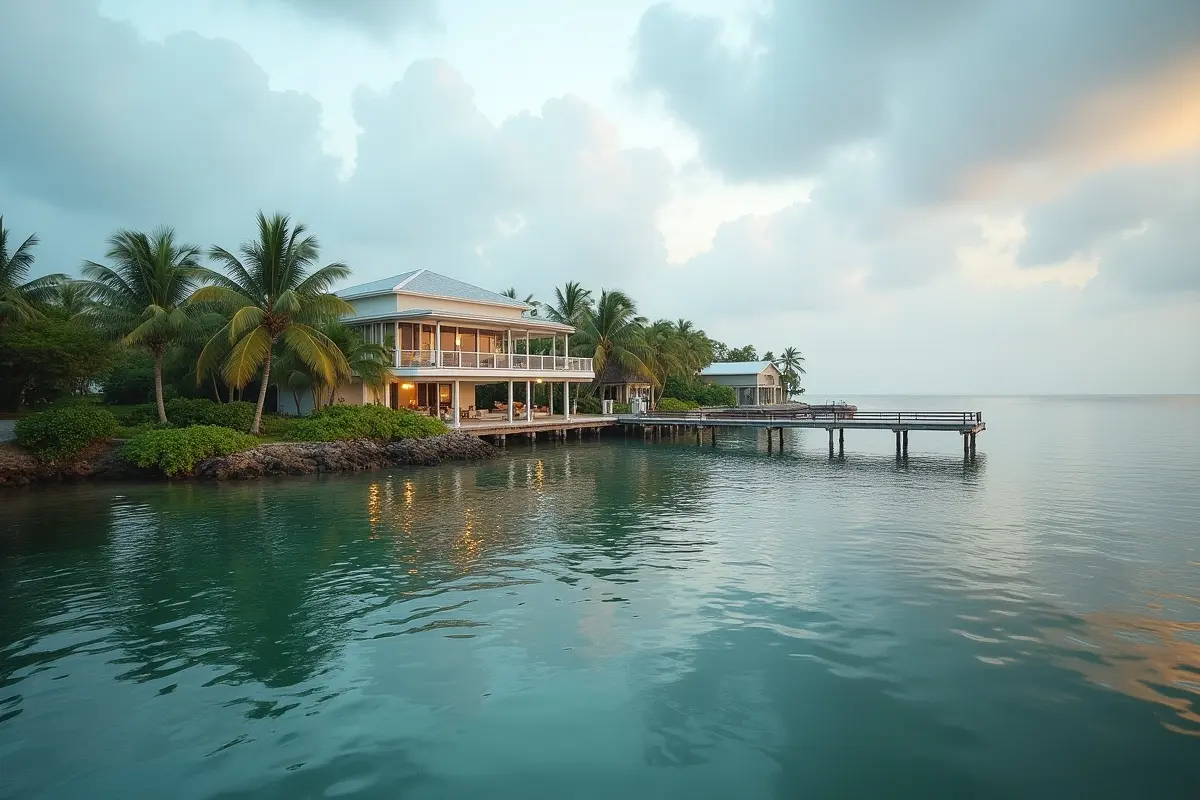
Comparing Waterfront Homes in the Florida Keys, Florida
Waterfront ownership in the Florida Keys is not a one-size-fits-all experience. A home can have a beautiful view, a private dock, and a desirable address, yet still be a poor match for a buyer’s boat, budget, elevation needs, or day-to-day routine. The best decision comes from evaluating how the property performs on the water and on land.
For buyers comparing island-specific options, Islamorada, FL real estate agents Coastal Realty can be a useful local reference point. Coastal Realty Of The Florida Keys is an Islamorada-based boutique real estate firm whose website includes property searches, buyer and seller information, vacation-rental resources, and neighborhood guides for communities from Key Largo and Tavernier to Islamorada, Marathon, the Lower Keys, and Key West. That broad Keys focus can help buyers frame the practical differences between waterfront settings before narrowing a search.
Why Waterfront Homes Need More Than a View
Two properties beside the water may look similar in listing photos, but function very differently. Water depth can determine whether a boat can leave the dock at low tide. The shoreline or seawall can affect maintenance needs. Road access, parking, home elevation, and exposure to wind can shape the ownership experience long after closing.
A waterfront home should therefore be judged by usefulness, not appearance alone. A buyer who wants to fish or cruise every weekend needs a dependable route to open water. A buyer who mainly wants quiet mornings on the porch may prefer protected water, privacy, and lower marine-maintenance demands over the fastest boating access.
Start With the Lifestyle Fit
Before comparing homes, define the reason for buying. In the Florida Keys, common priorities include boating and fishing, outdoor living, water views, a seasonal second home, rental use where permitted, or long-term ownership and resale planning.
- Frequent boaters may prioritize canal depth, bridge clearance, dock length, turning room, and travel time to the Atlantic, Florida Bay, or Gulf-side waters.
- View-focused buyers may be more concerned with orientation, privacy, outdoor space, wind exposure, and the condition of the home itself.
- Part-time owners may place extra weight on storm preparation, property management, maintenance access, and security while away.
- Potential rental owners should verify local rules, licensing requirements, occupancy limits, and any association restrictions before treating rental income as part of the plan.
Compare Canalfront, Bayfront, Oceanfront, and Harborfront Settings
Each waterfront category has advantages, but labels should start a conversation rather than end it.
- Canalfront: Often appealing for dock access and more protected water. Confirm depth, canal width, seawall condition, and the full route from the dock to open water.
- Bayfront: Can offer broad sunset-facing views and open space. Check wind exposure, shoreline protection, tidal conditions, and whether a dock is present and usable.
- Oceanfront: May provide expansive views and a direct coastal setting. Buyers should closely review storm exposure, erosion concerns, access to the water, and insurance pricing.
- Harborfront: Can place owners near marine services and protected boating areas. Consider boat traffic, noise, dock regulations, and depth near slips.
Check Boating Access Before Falling in Love
The phrase “deep-water access” should never be accepted solely from the listing language. Conditions can vary by location, tide, channel maintenance, boat draft, and route. Ask for records where available, review surveys and permits, and inspect the route with a qualified local marine professional when boating is central to the purchase.
- Confirm the approximate depth at the dock and along the route at low tide.
- Measure whether the dock and lift suit the intended boat.
- Identify fixed bridges, overhead clearances, narrow turns, and channel markers.
- Ask about shoaling, dredging history, and any known access limitations.
- Review the dock, boat lift, seawall, and shoreline permit history.
- Estimate the practical travel time to the buyer’s preferred fishing grounds, marina, or open-water destination.
Review Flood Maps and Elevation Details Early
Flood review should happen before an offer is written, not near the end of the contract period. Compare the flood zone, base flood elevation, finished-floor elevation, and elevation certificate when one is available. An insurance professional can explain how property-specific details affect coverage options and cost.
The NOAA Sea Level Rise Viewer can help buyers explore potential coastal flooding and water-level scenarios as part of broader planning. It is not a substitute for a survey, insurance quote, permit review, or site-specific professional advice. Buyers should also account for the Keys’ low-lying setting, where the National Weather Service notes that coastal flooding can occur during high tides and other water-level events.
Estimate the Full Cost of Ownership
The purchase price is only one part of a waterfront budget. Request insurance estimates early, because a home that fits the acquisition budget may not fit the monthly or annual ownership budget.
- Flood, windstorm, and standard homeowners insurance
- Dock, lift, seawall, bulkhead, or shoreline repairs
- Roof maintenance and storm-protection updates
- Salt-air corrosion affecting exterior hardware, equipment, and finishes
- Air-conditioning, pool, landscaping, utility, and pest-control costs
- Storm preparation, cleanup, and property-management expenses
Inspect for Coastal Wear and Marine Structure Condition
Salt, sun, wind, and moisture can accelerate wear on coastal homes. A general home inspection is important, but it may not provide a complete assessment of a seawall, dock, lift, or other marine structure.
Inspection Areas to Prioritize
- Roof age, fastening systems, windows, doors, and storm protection
- Electrical panels, exterior wiring, plumbing, and water heaters
- Air-conditioning equipment and outdoor mechanical systems
- Decks, railings, wood framing, and signs of termites or moisture damage
- Water intrusion, prior repairs, dock pilings, lifts, seawalls, and bulkheads
Use inspectors and contractors with coastal experience when possible. Their review can help distinguish ordinary maintenance from a repair that could materially affect the property’s budget or usability.
Think About Access, Rules, and Everyday Convenience
The water behind the home matters, but so does the road in front of it. Compare distance to groceries, medical care, marinas, fuel docks, restaurants, parks, and trusted service providers. Check guest and trailer parking, internet and utility reliability, and noise from boat traffic or nearby commercial activity.
Also review flood records, building permits, open violations, dock and seawall permits, homeowners association rules, rental restrictions, riparian or submerged-land questions, and pending assessments. Requirements can vary by island, municipality, subdivision, and property type. A smaller canal home closer to services may ultimately be more practical than a larger property that makes every repair visit, grocery run, or marina trip more difficult.
Use a Simple Waterfront Property Scorecard
Rate each home from one to five in the following categories: water access, elevation and flood profile, insurance estimate, home condition, dock and seawall condition, location convenience, maintenance expectations, rental or resale fit, and overall comfort with the property. A written scorecard helps reduce emotional decision-making when comparing very different homes.
Questions to Ask Before Writing an Offer
- What is the actual water depth at low tide?
- Can the intended boat reach open water without bridge, turning, or channel problems?
- Are the dock, lift, seawall, and additions properly permitted?
- What does the current insurance estimate include?
- Has the property experienced flooding, water intrusion, or storm damage?
- What repairs may be needed during the next several years?
- Are there rental, HOA, occupancy, or parking restrictions?
Conclusion
The right waterfront home in the Florida Keys, Florida, should match the buyer’s lifestyle, boating habits, financial plan, and comfort with coastal maintenance. Looking beyond the view to assess water access, elevation, insurance, permits, condition, and daily convenience can reveal whether a striking property is also a practical place to own.