Caffeine and Exercise: Benefits, Timing, and Common Mistakes
Caffeine can help with exercise, but the effect is smaller and more individual than most ads suggest. It can make hard effort feel a little easier when the dose and timing suit the athlete, and it can backfire when they do not.
How caffeine actually works during exercise
Caffeine is one of the most widely studied legal ergogenic aids available. Much of its effect begins in the brain rather than the muscle. It blocks adenosine receptors involved in signalling tiredness. With those signals muted, perceived exertion (RPE) may drop and effort can feel more manageable. Pain sensation may dull slightly too, so a pace that felt like an 8 out of 10 might feel closer to a 7.
Caffeine does not create energy, even if the subjective lift can make it seem that way.
That distinction matters for training. People often talk about caffeine as though it puts fuel in the tank, but it changes how the brain interprets effort. That may help you hold a pace longer or push for another rep before fatigue persuades you to stop. Once you see it that way, the limits make sense. It will not fix short sleep or low fuel, and it cannot rescue a race that started too fast.
Most people have felt that shift on a tired morning. Coffee does not make the inbox lighter, and the work still needs doing, but getting started may feel less demanding. Exercise can be similar. The watts are still the watts. Your perception of them softens.
What the evidence says about endurance performance
The evidence is steadiest for endurance performance. Lab research involving cyclists and runners, using both time trials and time-to-exhaustion tests, generally points in the same direction. The average gain is modest, although it appears across many studies. Some cycling and running trials report improvements of a few percent, but the result varies with the protocol, athlete and dose. That will not turn a back-of-pack finisher into a winner, though it may matter when fitness levels are close.
Time-to-exhaustion results often look larger on paper. Subjects ride or run at a fixed pace until they stop, and many last longer with caffeine than without it. Researchers treat those figures cautiously because races do not usually work that way. Even so, the pattern helps explain what some athletes feel. Effort may rise more slowly, allowing them to stay below their perceived ceiling for longer.
The size of the effect deserves some perspective. A small percentage is easily lost if you pace badly, overheat or spend the night before staring at the ceiling. Coaches value caffeine because the benefit can be repeatable under controlled conditions. Research includes men and women, along with trained riders and club runners, although individual responses still differ when dose and timing are otherwise sensible.
Heat and nerves can shrink the benefit. A hot day raises perceived exertion for reasons caffeine cannot fully block, while pre-race anxiety may complicate the response. Caffeine may still help, but pacing and cooling matter more. Do not raise the dose simply to chase a stronger feeling. Stick with what you tested and run your race.
Strength, sprints and skill work
Caffeine is useful for more than long rides and tempo runs. Studies of anaerobic performance and high-intensity interval training suggest possible gains in repeated-sprint ability. Jump height may improve slightly in some tests. Lifters sometimes complete another rep at a given load, and bar speed may hold up better across sets. That can be useful if your sport depends on repeated bursts.
Field sports offer a broader picture. Soccer and rugby simulations that combine sprints with passing or decision tasks sometimes show better results with caffeine. Players may sprint slightly faster late in a session while maintaining their passing performance. There is plenty of variation because skill tests and study designs differ. Overall, the trend generally favours caffeine, though by less than advertising often implies.
Do not expect miracles for one-rep maximums. Top-end strength appears less responsive than muscular endurance or repeated-sprint performance. Power may hold up better, but technique and arousal become more important when the bar is genuinely heavy. Caffeine is better viewed as support for training volume and repeat efforts, rather than a substitute for strength work.
Focus is part of the appeal as well. Caffeine may help sustain attention during long sessions when form starts to slip. You might notice foot placement or bar path a little earlier. That alone will not add kilos, but it may help maintain training quality when you are tired. Quality repetitions are what carry over to game day.
How much to take and when to take it
The ISSN Position Stand describes 3 to 6 mg per kg of body weight as a commonly studied performance range, usually taken around 30 to 60 minutes before exercise. For a 70 kg athlete, that equals roughly 200 to 400 mg. Higher doses do not consistently provide greater benefits, while side effects become more likely. Individual tolerance, health and usual intake still need to be considered.
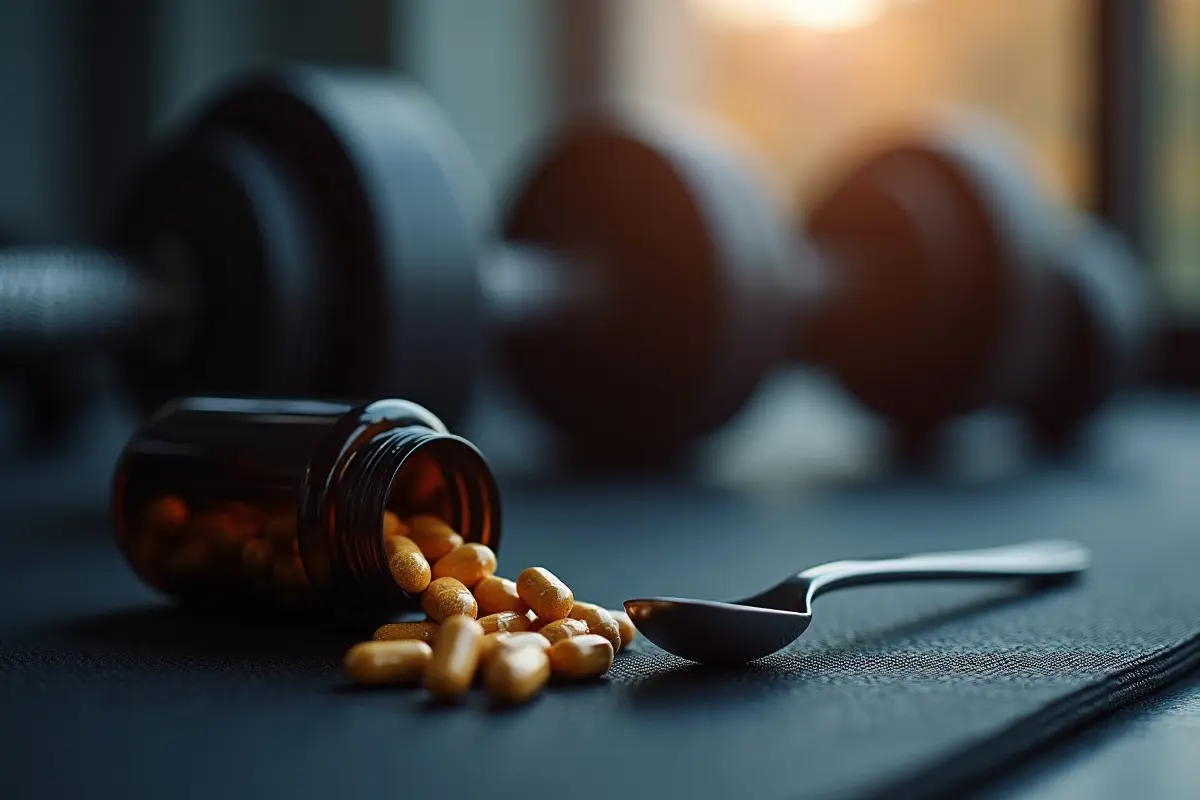
That range can be easy to miss when several products are combined. Many pre-workout supplements contain substantial caffeine per scoop and may include other ingredients with stimulant effects. Two scoops plus a morning coffee can push total intake higher than intended before the warm-up starts. Check the serving information on products such as Buzz Bomb Caffeine, and count caffeine from every source rather than considering each item separately.
The form can affect timing. Caffeine anhydrous in pill form is commonly taken around 45 to 60 minutes beforehand, although absorption and peak effects vary between people. Caffeine gum is absorbed partly through the lining of the mouth, so some athletes use it closer to the start or during longer events when they want to avoid taking another drink or pill. Choose one form and learn how you respond to it. Race day is not the time to start mixing pills and drinks.
Why the same dose doesn’t hit everyone the same
Genetic differences may play a part, including variations related to the CYP1A2 enzyme involved in caffeine metabolism. However, genotype alone does not reliably predict whether someone will get a performance benefit or experience jitters. Some people feel a clean lift and are ready to train within the hour, while others feel restless or anxious at the same dose. Neither response is unusual. The practical answer is to adjust intake according to personal experience.
Habit matters too. Regular high intake can build tolerance, making the usual lift feel smaller over time. The cup that once woke you up may barely register. One approach is to use the minimum effective dose during normal training and reserve higher, tested doses for key sessions. Some athletes reduce caffeine for a few days before an event and then reintroduce it, although the value of this approach varies. It may restore some of the subjective effect without requiring a very large dose.
Trial it in training before relying on it in competition. Test your planned dose during two or three hard workouts, paying attention to stomach comfort and sleep that night. Competitive athletes should also know that caffeine remains on the WADA monitoring programme. It was removed from the banned list in 2004, but use is still monitored to identify patterns. There is no need to fear it, though intake should remain measured and within the relevant competition rules.
Common mistakes that wipe out the benefit
Many bad caffeine experiences start with dose errors rather than caffeine alone. The same pattern appears regularly in gyms and at events.
Taking too much without knowing it
Stacking is a common error. A scoop of pre-workout before the gym plus an energy drink on the drive can add up quickly. Sweetness and fizz may make some drinks easy to consume fast, leading to a large dose over a short period. Too much caffeine can cause anxiety and stomach discomfort. Fine motor control may suffer as well, which is unhelpful for free throws or technical heavy lifts. Once the useful dose has been reached, more is unlikely to improve the session. It usually just feels worse.
Training wired and sleeping poorly
Caffeine has a half-life of about five to six hours in many adults, though it varies considerably. That means a meaningful amount of an afternoon dose may still be present at dinner. Taking it within eight or nine hours of bedtime can make sleep more difficult for some people. You may fall asleep later or wake more often. Poor sleep then reduces the recovery the session was meant to support, and next-day performance may drop. Morning lifters are less likely to face this problem. Afternoon and evening athletes need to pay closer attention.
Forgetting water or fearing caffeine in it
The diuretic myth still circulates in locker rooms. Moderate caffeine intake does not automatically leave you dehydrated during exercise. Sweat rate, conditions and exercise duration have more direct effects on fluid needs than a normal coffee. Drink according to thirst and a sensible event plan rather than trying to offset caffeine with excessive water. Both over-drinking and under-drinking can cause problems during long sessions. Keep the approach simple. Water still comes first, and caffeine should never replace it.
Who should go easy or skip it
Not every athlete needs caffeine. If a single cup leaves you wired for hours, a standard performance dose may feel considerably worse. People with sensitive stomachs often discover this during hard tempo work. Cramps and urgent bathroom stops can erase any gain from a lower sense of effort. Starting well below the commonly studied range, or skipping caffeine entirely, may be more sensible while sleep and fuelling remain the priorities.
Evening training is another warning sign. If your only training window is after work and bedtime follows a few hours later, caffeine may trade one better workout for disrupted sleep. Strength work rarely needs it badly enough to justify that exchange. A proper warm-up and good music may be enough to raise energy. Save caffeine for weekend mornings or other sessions when it is less likely to interfere with sleep.
Most people know someone who says they can drink espresso at midnight and sleep normally. Many others cannot. Track your own response for a week instead of borrowing someone else’s habits. If focus drops and mood worsens the next day, the trade was probably not worthwhile. There is no prize for tolerating a dose that consistently makes you feel rough.
A simple way to test it without guessing
Do not debut a dose on race day. Trial it in training during sessions that resemble competition. Use the same food and fluid timing you intend to follow, then train hard enough for the result to be meaningful. Record what you took and when you took it. Note stomach comfort, perceived effort and sleep afterwards.
Start low and keep the dose consistent for a week. Many athletes find that around 3 mg per kg is enough and never need the upper end of the studied range. If sleep remains normal and the stomach stays calm, you may have found a workable amount. If jitters appear, reduce the dose rather than trying to push through them. The aim is to feel alert and steady, not wired.
Match the timing to your event. For many morning sessions, taking caffeine around 45 minutes before the warm-up is a reasonable starting point, but personal response matters. During long tournaments, some athletes use a smaller second dose from gum later in the day to limit stomach load. Write the plan down, including the dose and clock time. Game day should then feel routine, which is exactly what you want.
Caffeine earns its place because the evidence supports a small performance benefit, not because it is magic. Use a measured dose and allow enough time for it to take effect. Protect sleep because it remains more important than any stimulant. Get those basics right and the lift is more likely to stay modest, useful and predictable.