
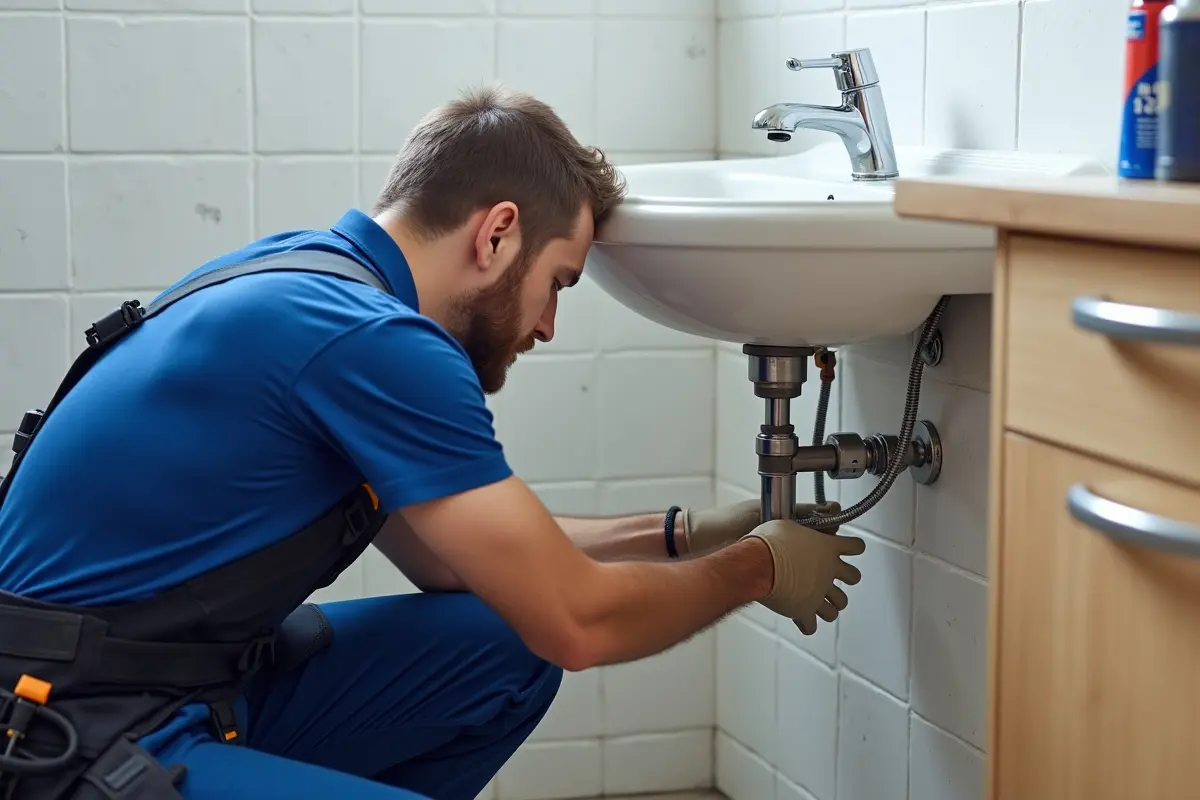
The majority of drainage issues do not originate from a complete block. It all begins with a slow drain, a smell that disappears and returns, or a sound that is difficult to locate. Knowing how to recognize these early warning signs – and knowing what is creating them – can make the difference between an easy $10 solution and having to call in the professionals for a problem that has escalated.
One Fixture Or Many: The First Question To Ask
Before you try using a plunger, first determine whether the problem is specific to one fixture or if the entire bathroom is having issues. This distinction is crucial.
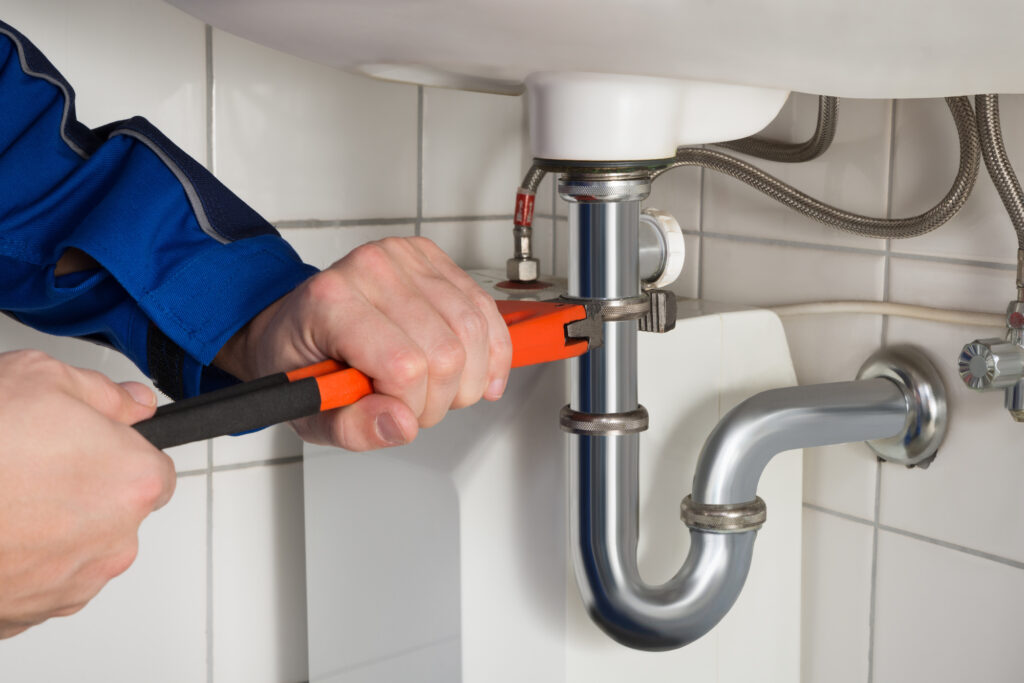
If only one sink drains slowly and everything else is fine, you can be pretty sure it’s a local clog – a buildup of biofilm, hair, or soap, or something lodged in the drain or the P-trap. The latter is that U-shaped pipe under the sink; it’s designed to hold a small amount of water at all times, thus creating a water seal that stops sewer gas from entering the room. It’s also right in the direct path of most debris.
If the sink gurgles when you flush the toilet or the toilet bubbles when you run the shower, it’s not the fixture that’s at fault; it’s the ventilation system. The vent stack is a vertical pipe that runs upward through the roof and it’s the thing that equalizes air pressure across the system. When it’s blocked by leaves, a bird’s nest, or a bunch of gunk, air can’t get in. So it goes for the water in your P-trap instead.
That gurgling? That’s the sound of air going through the water seal (it’s called siphonage), and that means the system is under negative pressure.
Diagnosing The Sounds Your Pipes Are Making
Drainage sounds communicate a precise message from your plumbing. Water making a slow glugging noise as it drains from one sink indicates a physical obstruction near that sink’s outlet. A high-pitched, sporadic gurgling occurring as another plumbing fixture runs indicates that the vent is blocked. A continuous stench with no visible cause, especially in a guest bathroom where fixtures are rarely used, indicates that the water-sealing trap has dried out.
If water isn’t in the trap, sewer gas enters your room. Traps are specially built to hold water that prevents this gas from getting to you. However, if you rarely use drains, the trap can lose its seal through evaporation.
Understanding why is my sink gurgling is a pressure problem, not just a clog problem, which changes how you approach the fix. Dumping chemicals down a gurgling pipe – especially a gurgle from a wonky venting – will do nothing.
Clearing A Localized Clog The Right Way
To start cleaning a single slow-drain sink, it is best to start with the P-trap. You’ll need a bucket, as there will likely be water in this bend of the pipe, so place that underneath. Unscrew the slip nuts on either side of the trap and carefully pull it free. Check to see if the clog is in this curved section. But don’t stop there. The wall arm, a short horizontal section of pipe immediately leaving the P-trap and heading into the wall, can accumulate sludge and debris and is an often-overlooked problem spot.
If the P-trap is clear and the sink is still draining slowly, the clog is further down the line. A plumber’s snake (sometimes called an auger) is the best way to reach clogs that are located well beyond the reach a plunger can provide. Simply insert the snake through the wall opening and keep extending it until the resistance clears.
Stay away from chemical cleaners. Heat-producing, caustic drain openers can cause PVC fittings to loosen and, in older homes, could even hasten the corrosion of metal plumbing. Instead of that, enzyme-based cleaners work extremely well for maintenance, eating through the organic matter that clings to the walls of the drain pipes without causing any damage.
When The Problem Is Bigger Than One Drain
If two or more fixtures are draining sluggishly or emptying into each other, the culprit may be your main sewer line. In experience, tree roots are the top cause – they invade pipe joints, get bigger, and create blockages. Unfortunately, by the time the blockage gains your attention, you might have a pretty substantial problem on your hands.
This is where an ounce of prevention is worth a pound of cure. The cost to have a local plumber clear a drain runs about $150 to $350, while main sewer line work can cost over $2,500. Instead of waiting until that minor gurgle turns into a full-fledged drainage holdup, when caught early, a venting or sewer problem is much less costly to fix.
Professional hydro-jetting is designed to eliminate the grease, scale, and root intrusions from your sewer line that a snake can only partially take care of.
Reading The System Before It Fails
Issues with your bathroom plumbing are hardly ever arbitrary occurrences. A slow drain, a gurgling drain, and/or a drain that emits foul odor are associated with identifiable causes – a trapped clog, pressure differences in the line, a dry trap, or a damaged line respectively.
The homeowner who recognizes these early warning signs and acts accordingly will typically encounter less expense and inconvenience than the one who doesn’t.



Leave a Reply
You must be logged in to post a comment.